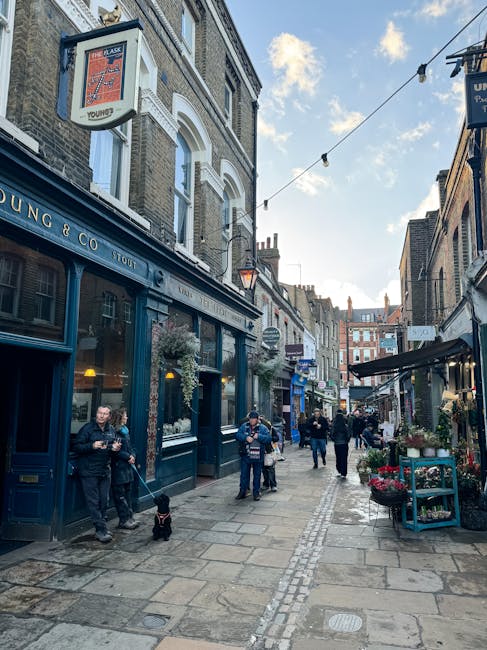
Sofa cleaning for Wanstead High Street cafes and pubs

If you run a cafe or pub on Wanstead High Street, you already know the truth: seating gets judged before the menu does. A tired banquette, a sticky armrest, or a faint beer-and-coffee smell can quietly drag down the whole room. That is where Sofa cleaning for Wanstead High Street cafes and pubs comes in. Done properly, it helps protect your furniture, keeps your front-of-house looking sharp, and makes the space feel cared for rather than merely used.
Hospitality upholstery takes a beating in a way that home furniture simply doesn't. Grease from food, sugary drinks, makeup, sweat, muddy hems, and the occasional spill after a busy Friday service all settle into the fabric. Over time, the surface may look "fine enough", but guests notice the difference. In this guide, we'll cover how professional sofa and upholstery cleaning works, when it makes sense, what to avoid, and how Wanstead businesses can plan cleaning without disrupting service.
One quick note before we begin: the best results usually come from matching the cleaning method to the fabric, the stain type, and the pace of the business. Sounds obvious, but it is where a lot of trouble starts.
Why sofa cleaning for Wanstead High Street cafes and pubs matters
In hospitality, soft furnishings do more than fill space. They shape the feel of a room. A clean booth can make a cafe feel calm and inviting; a freshly cleaned lounge corner in a pub can make people settle in for another round. The reverse is just as true. If seating looks dull, marked, or musty, guests subconsciously read that as poor care elsewhere too.
Wanstead High Street has that busy local rhythm people appreciate: coffee in the morning, lunch trade, after-work drinks, weekend catch-ups. That means seating sees constant rotation. The fabric absorbs the day's little accidents. A splash of syrup from the breakfast rush. A glass ring that was wiped, but not fully removed. A dark mark from denim dye. None of these are dramatic on their own, yet together they build a worn look fast.
Guest perception matters. People do not usually compliment clean seating directly, but they do notice when it is missing. Clean upholstery supports the wider atmosphere of hospitality, and for pubs and cafes that depend on repeat local trade, that is not a small thing.
There is also a hygiene angle, even when the sofa looks acceptable. Upholstery can trap crumbs, dust, body oils, drink residue, and odours. In warm indoor spaces, especially around food and beverage service, that build-up becomes more noticeable. You might not spot it first thing in the morning, but by late afternoon the room can feel slightly stale. Not ideal. Not at all.
For business owners comparing upkeep options, it helps to look at sofa care alongside general upholstery cleaning and broader commercial carpet cleaning. These services often work best together because the front-of-house impression is created by the whole room, not one item in isolation.
Expert summary: regular sofa cleaning is not just about appearance. It supports customer comfort, helps extend furniture life, and reduces the slow, creeping build-up of odours and grime that hospitality spaces are especially prone to.
How sofa cleaning for Wanstead High Street cafes and pubs works
Professional sofa cleaning usually starts with inspection. That means checking the fabric type, looking for wear, testing colourfastness, and identifying obvious problem areas. A wool blend, for example, needs a different approach from polyester. Leather or faux leather brings another set of considerations entirely. Guessing is where mistakes happen.
After inspection, the cleaner will normally pre-treat high-traffic zones and visible marks. Think seat fronts, arms, head-rest areas, and the edges where people naturally lean. This pre-treatment matters because hospitality seating often has an uneven soil load: the whole piece may be dusty, but the centre of attention is often one stain or a collection of small, stubborn marks.
The main cleaning stage may involve hot water extraction, low-moisture cleaning, specialist stain treatment, or carefully controlled steam-based methods, depending on the fabric and condition. For many cafe and pub sofas, the goal is to lift embedded dirt while leaving as little moisture behind as possible. That helps reduce downtime, which in a busy venue is a big deal.
Some jobs need odour treatment too. Spilt milk, beer, cooking vapour, and general footfall can create a mixed smell that sits in the fibres. It is not always "dirty" in the obvious sense; sometimes it is just a lingering atmosphere. A proper clean resets that, and you will notice it when the room opens the next day.
Where the seating is heavily used, a follow-up groom or final fabric finish may help the fibres settle neatly. The aim is to leave the upholstery looking even, not crushed or patchy. A rushed clean can leave tide marks or uneven drying, which is exactly the kind of thing you do not want people seeing at 8 a.m. over coffee.
If you want the cleaning to slot into wider maintenance, it can be useful to pair it with services such as sofa cleaning for seated areas and targeted stain removal where specific marks need extra attention.
Key benefits and practical advantages
The value of sofa cleaning in hospitality is practical, not theoretical. Here is what it tends to deliver in real-world settings:
- A better first impression. Clean seating helps the whole venue feel brighter, tidier, and more cared for.
- Improved comfort. Guests are more likely to relax when sofas do not look or smell tired.
- Longer furniture life. Removing dirt before it becomes embedded can reduce premature wear.
- Odour control. Fresh upholstery can reduce stale smells that linger in enclosed seating areas.
- Cleaner front-of-house presentation. Especially useful for venues where guests spend longer at tables or in booth seating.
- Better stain management. Early treatment makes future marks easier to handle.
There is another advantage people sometimes miss: confidence. Staff notice when the place looks good. Customers notice it too. A clean sofa or booth can lift the mood of the room in a quiet, almost invisible way. It is not flashy, but it works.
For cafes and pubs trying to manage budgets sensibly, cleaning is usually a smarter first step than immediate replacement. Upholstery replacement is expensive, disruptive, and often unnecessary if the fabric is structurally sound. Cleaning will not fix torn piping or collapsed cushions, of course, but it can buy valuable time and keep the venue looking presentable in the meantime.
If you are comparing upkeep priorities, you may also want to look at carpet cleaning alongside upholstery care. On many sites, both services support the same customer journey: walk in, sit down, stay longer.
Who this is for and when it makes sense
Not every business needs the same cleaning schedule, and that is fair enough. A quiet weekday cafe with a couple of fabric sofas has very different needs from a lively pub with banquettes, spilled drinks, and a lot of weekend traffic.
This service is especially relevant for:
- cafes with lounge seating or window-side sofas
- pubs with upholstered booths, waiting areas, or soft seating zones
- all-day brunch spots and coffee shops with high dwell time
- bars that want to keep evening seating looking clean and inviting
- independent venues where presentation is part of the brand
- hospitality businesses preparing for a refit, reopening, or photos
When does it make sense? Usually when one or more of these things start happening:
- the sofa looks dull even after vacuuming
- there are visible drink marks or old food stains
- odours remain after general cleaning
- customers are avoiding certain seats
- staff are spending too long spot-cleaning each morning
- the room feels "a bit tired" and you cannot quite put your finger on why
That last one is often the giveaway, to be honest. If the room feels flat, upholstery may be part of the issue. It is not always the only issue, but it is often part of it.
For venues managing multiple soft furnishings, it can also make sense to combine upholstery work with curtain cleaning or targeted care for feature items such as rug cleaning. The more connected the furniture looks, the more cohesive the room feels.
Step-by-step guidance
If you are organising a clean for a hospitality venue, the process goes more smoothly when you plan it in stages. Here is a practical approach.
- Walk the seating area first. Note the worst marks, odours, worn zones, and any fragile fabric. A quick visual check saves time later.
- Identify the fabric type. If you have the manufacturer's care label or purchase details, keep them handy. Fabric identification helps avoid damage.
- Decide what needs priority. Not every seat needs full deep cleaning every time. Sometimes the front-facing pieces and the worst booths come first.
- Choose the right cleaning method. The fabric, age of the upholstery, stain type, and available drying time should guide the method.
- Schedule around trading hours. Early morning, after close, or on quieter days can work well. The less interruption, the better.
- Prepare the area. Move loose items, clear tables, and ensure access to power and water if needed.
- Allow proper drying time. This is where a lot of rushed jobs go wrong. Keep airflow moving and avoid putting customers back onto damp seats too quickly.
- Review the results. Check for residue, streaking, or any marks that may need a second pass.
A decent clean should leave the fabric looking refreshed, not wet and overworked. If a sofa still feels tacky or smells heavily of cleaning solution, something was probably pushed too hard. That is the kind of thing guests can sniff out instantly. No pun intended.
If you also need help with isolated marks, a combination of upholstery care and stain removal is often the most sensible route. Deep cleaning lifts general grime; targeted treatment handles the stubborn bits.
Expert tips for better results
Here is where experience really matters. A few small choices can change the outcome quite a lot.
- Act on stains quickly, but carefully. Blot spills rather than rubbing them. Rubbing pushes residue deeper into the fibres.
- Test in an out-of-sight spot. Especially on dyed, textured, or older fabrics.
- Do not soak the upholstery. More water is not better. It just increases drying time and can leave marks.
- Use airflow intelligently. Open a suitable window if practical, use ventilation, and avoid trapping moisture in a warm room.
- Plan around peak trading. A quiet Monday morning can be far more useful than a rushed Friday afternoon slot.
- Keep a simple maintenance routine. Regular vacuuming and prompt spot treatment make deep cleans more effective.
One small but useful habit: ask staff to log spills as they happen, even if they seem minor. A spill that is remembered properly is much easier to treat later than one nobody mentions until next week. We have all seen how that goes.
For businesses wanting a broader fabric-care plan, services like steam carpet cleaning and upholstery cleaning can be scheduled together so the whole ground-floor guest area gets refreshed in one visit.
Common mistakes to avoid
The biggest cleaning mistakes in cafes and pubs are usually surprisingly ordinary. That is what makes them so annoying.
- Waiting too long. Old stains are harder to remove, full stop.
- Using the wrong product. A good multipurpose spray can still be the wrong choice for upholstery.
- Scrubbing aggressively. This can damage fibres and spread the stain outward.
- Cleaning without drying properly. Damp fabric can smell musty or attract new soil faster.
- Ignoring odour sources. Cleaning the surface without addressing the cause often gives only a short-term fix.
- Trying to save time by overloading one session. A rushed job is often a half-job.
Another common mistake is treating visible dirt as the whole problem. In busy hospitality spaces, the more important issue is often cumulative build-up. A sofa can look only mildly marked but still hold a lot of embedded grime. That hidden layer is what changes the feel of the room over time.
And yes, the temptation to "just give it a quick spray" is real. But quick sprays are rarely quick in the long run. They can leave residue, create patchiness, or lock in smells. Not the vibe.
Tools, resources and recommendations
You do not need a huge kit to maintain seating between professional cleans, but you do need the right basics. For cafe and pub teams, the most useful tools are often simple:
- a quality vacuum with upholstery attachment
- microfibre cloths for gentle blotting
- fabric-safe spot cleaner approved for the material type
- soft brushes for careful surface agitation
- clean dry towels for moisture control
- protective gloves for staff handling strong cleaning products
On the operational side, a small cleaning log can be very helpful. Nothing fancy. Just a note of spills, follow-up treatment, and any problem seats that need extra attention. This is especially useful in busier venues where staff changes happen often. Otherwise, details vanish into the morning rush.
It is also worth reviewing how upholstery care fits into the venue's wider maintenance plan. If your business already uses commercial carpet cleaning, ask whether seating, rugs, and fabric panels can be handled in the same service window. Coordinated upkeep often means less disruption and better consistency.
If you want to understand how a provider handles scheduling, expectations, and pricing, take a look at pricing and quotes. That can make budgeting much less guessy. Which, let's face it, is always welcome in hospitality.
Law, compliance, standards, and best practice
For hospitality businesses in the UK, upholstery cleaning is not usually about a single special regulation. It is more about broader duty of care, hygiene, and safe operation. You should always use cleaning methods that are appropriate for the fabric, the premises, and the chemicals involved. If a product is not suitable for a commercial environment, do not improvise.
Good practice normally includes the following:
- keeping walkways clear during cleaning
- using products safely and storing them correctly
- making sure staff are aware of slip risks from damp floors or trailing hoses
- allowing enough time for seating to dry before reuse
- checking the venue's own health and safety procedures before work begins
It is also sensible to choose a provider that can explain how they manage risk, insurance, and site safety. For example, a business should be able to describe its approach in a clear, straightforward way, not bury it in jargon. If you want to review how that side is handled, the pages on health and safety policy and insurance and safety are worth a look.
For customers who are also concerned about how a company handles disputes or service standards, it can help to understand the provider's terms and conditions and complaints procedure. That is not glamorous reading, no, but it does tell you how seriously a company takes accountability.
Options, methods, and comparison table
Different upholstery problems call for different approaches. Here is a simple comparison to help you think clearly.
| Method | Best for | Strengths | Watch-outs |
|---|---|---|---|
| Vacuuming and light maintenance | Daily or weekly upkeep | Quick, easy, keeps crumbs and dust under control | Will not remove deep stains or odours |
| Spot treatment | Small fresh spills | Fast response, useful between deep cleans | Can spread marks if overused or scrubbed too hard |
| Low-moisture cleaning | Busy venues with limited drying time | Less downtime, often suitable for commercial use | May need more than one pass on heavy soiling |
| Deep extraction cleaning | Embedded dirt and mixed staining | Thorough refresh, good for worn-looking seating | Needs proper drying and fabric compatibility |
| Odour-focused treatment | Stale smells from food, drink, or smoke residue | Targets the air-and-fabric feel of the room | Works best alongside actual cleaning, not instead of it |
If you are deciding between methods, the right question is not "Which is strongest?" It is "Which is safest and most effective for this exact sofa, right now?" That mindset saves both fabric and money.
Case study or real-world example
Imagine a small Wanstead cafe with two fabric sofas by the front window and a booth area at the back. The sofas are not visibly wrecked, but they have a dull, greyed look around the seat fronts. One chair smells faintly of coffee and milk, and there is a dark patch where people tend to sit nearest the window.
The owner first tries repeated surface wipes. The marks improve a little, then stop improving. The fabric still looks flat. So the venue arranges a proper upholstery clean outside trading hours, with attention to the highest-traffic seats and a careful drying plan.
The immediate change is subtle but real. The room smells fresher. The sofa fabric looks brighter under the lights. Staff stop steering guests away from one corner because it no longer looks like the "bad seat". That matters more than people think. A single awkward-looking seat can change where guests sit, how long they stay, and how confidently they view the whole business.
Now, this is not magic. The sofa is still a sofa. But it becomes part of a welcoming room again, rather than something people have to overlook. Small shift, big difference.
Practical checklist
Use this before booking or scheduling sofa cleaning for a cafe or pub:
- identify the upholstery material if possible
- note visible stains, odours, and high-traffic zones
- check which areas can be out of use during cleaning
- plan around service hours and peak footfall
- confirm drying time expectations
- remove loose cushions, menus, or decorative items
- brief staff on where customers should sit, if any areas remain off-limits
- review whether carpets, curtains, or rugs should be cleaned at the same time
- ask about insurance, safety, and aftercare
- set a follow-up maintenance plan so the results last
If you tick most of these boxes, the job usually goes far more smoothly. Honestly, it is a bit like prep in the kitchen: the better the setup, the cleaner the finish.
Conclusion
Sofa cleaning for Wanstead High Street cafes and pubs is one of those maintenance jobs that quietly pays you back. It improves presentation, supports comfort, helps manage odours, and keeps upholstery working harder for longer. In a hospitality setting, that translates into a room that feels considered rather than tired, and that feeling matters.
The best approach is simple: inspect carefully, clean with the right method, avoid shortcuts, and build upholstery care into the wider routine for your venue. If the sofas, booths, and soft seating are looking a bit past their best, it is usually wiser to deal with them sooner rather than later. A small refresh can change the whole atmosphere of the space.
Get a free quote today and see how much you can save.
And if you are planning ahead for the next busy spell on the High Street, that fresh, clean-seat feeling might be exactly the lift your room needs.
Frequently Asked Questions
How often should cafes and pubs book sofa cleaning?
It depends on footfall, food and drink service, and fabric type. Busy venues often need more frequent attention than quieter ones. A light maintenance routine plus periodic deep cleaning usually works best.
Can sofa cleaning remove old drink stains?
Often, yes, but results vary depending on the drink, how long the stain has been there, and the fabric. Coffee, wine, and sugary drinks can leave stubborn marks, so early treatment helps.
Will the sofas be dry by the next day?
In many cases, yes, but drying time depends on the method used, the room temperature, airflow, and how much moisture the fabric absorbs. Good planning matters here.
Is upholstery cleaning safe for busy hospitality spaces?
It can be, provided the right method is chosen and the area is managed properly during the clean. Clear walkways, sensible scheduling, and safe product use are all important.
What is the difference between sofa cleaning and upholstery cleaning?
Sofa cleaning usually refers specifically to sofas, while upholstery cleaning covers a broader range of fabric-covered furniture such as chairs, benches, and booths. The methods often overlap.
Can cleaning help with pub smells and stale odours?
Yes, especially when the smell is sitting in the fibres rather than coming from another source. If odours are persistent, a deeper clean is usually better than a surface freshen-up.
Should I clean carpets and sofas together?
Often that is the most efficient approach. If both items are in guest areas, cleaning them together can improve the overall look and reduce disruption to trading.
What should staff do after a spill?
Blot the area gently, avoid rubbing, and report the spill as soon as possible. The quicker the response, the better the chance of removing the mark cleanly later.
Can professional cleaning extend the life of cafe and pub sofas?
Usually, yes. Removing embedded dirt and spill residue before it becomes deeply set can help reduce wear and keep fabrics looking fresher for longer.
How do I know if a sofa is too damaged to clean?
If the fabric is torn, badly faded, or structurally failing, cleaning will not solve those issues. A good inspection should separate cosmetic soiling from genuine furniture damage.
What should I ask before booking a cleaning service?
Ask about fabric suitability, drying time, expected results, insurance, and how they handle stains or odours. It also helps to ask whether they can provide broader services such as carpet or upholstery care in the same visit.
Where can I learn more about the company before booking?
It is sensible to review the company's background and service information first. Pages such as about us and contact us can help you decide whether the fit feels right for your venue.